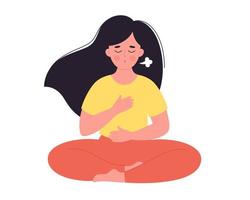
woman in yoga post sitting and breathing

More about different types of breathing

There are so many things to remember when you start Pilates. I still cannot remember it all. I try to remind myself of one thing only: the more I can implement the techniques of Pilates, the better and quicker the results. This I have seen from experience. We will just focus on the breathing in this issue.
How hard can it be to breath, you’re wondering. Depending on how you want to breathe and how do breath it can be difficult. There are different types of breathing, Costal or Chest breathing, Abdominal or Diaphragmatic breathing, Clavicular breathing and 3-dimensional breathing used in Pilates.
Continue Reading
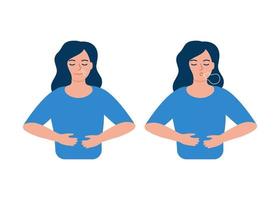
woman with hands on ribs breathing

The First Principle of Pilates the Breathing Principle of Pilates

The general rule with breathing in Pilates is to breathe out on the effort. When you don’t breathe, muscles become tense. Proper breathing helps the body stretch and release tension. This will help promote optimal body control. Breathing supports the following ideas in Pilates. Oxygenation releases tense muscles: When we breathe effectively, oxygen flowed into our blood which flows through our muscles. More oxygen in the muscles means more relaxed muscles. The more effective our breathing in Pilates the more we can release tense muscles that are being recruited to help with a particular exercise.

Continue Reading

Are there any misconceptions or myths about Pilates?

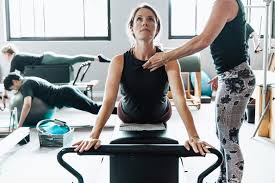
Pilates is very adaptable to a person’s ability. There are many exercises, many variations and many little props and toys to make an exercise either more doable or more challenging for a particular body. Depending on the intensity of the work out, a Pilates class can be very easy or very demanding. As a result, when in a large group setting, not everyone will be getting the workout that suits their needs, abilities and fitness level.

Continue Reading